Lake Mead Drought Reveals Chilling Discovery as Officials Identify Homicide Victim
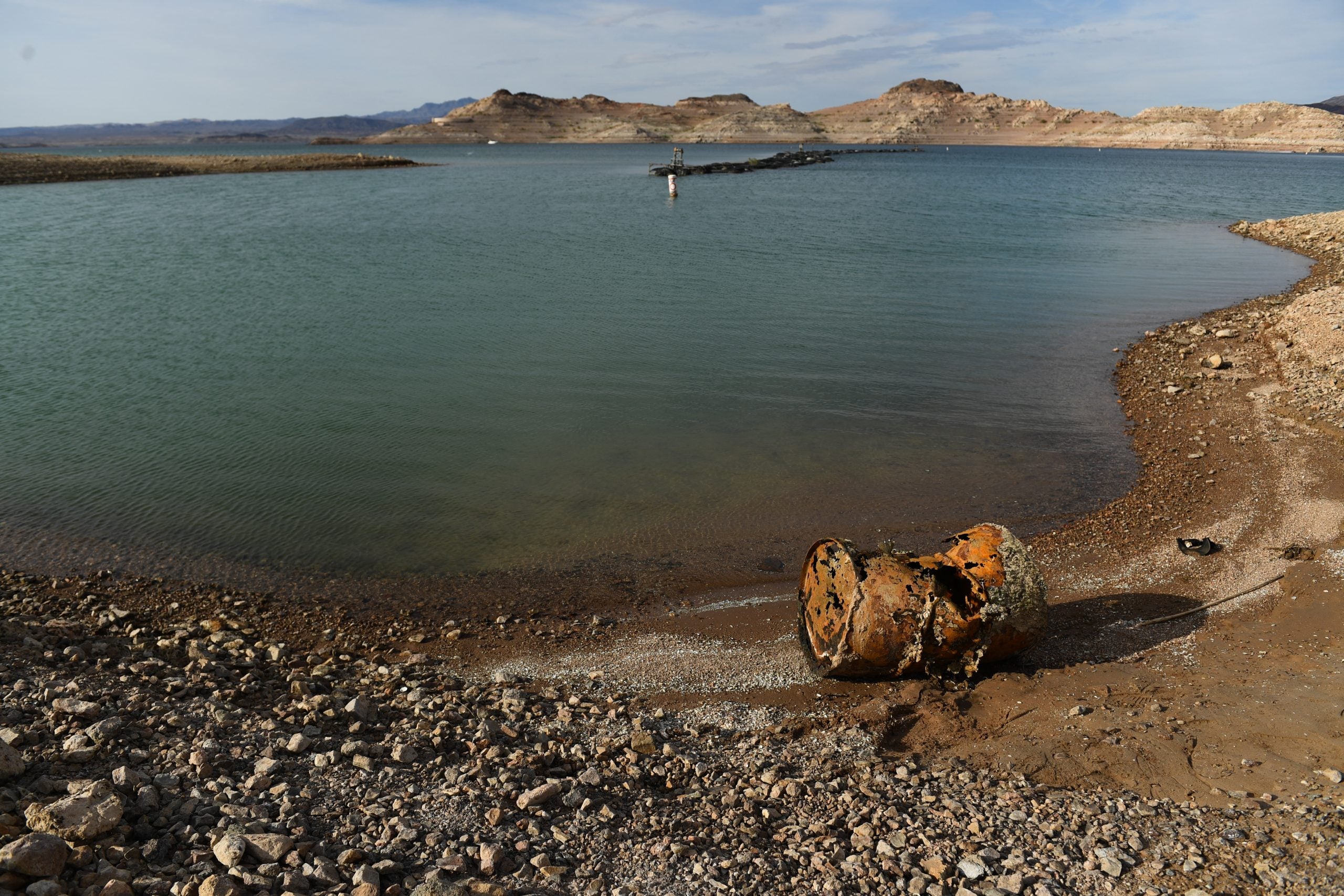
The relentless Lake Mead drought has once again turned a receding reservoir into a grim crime scene, as officials announced the identification of a homicide victim whose remains were found inside a barrel exposed by historically low water levels. The discovery, which first stunned the nation when it was made public, has now taken a significant investigative turn, underscoring how the unprecedented shrinkage of the West’s largest reservoir is unearthing secrets long thought buried beneath its depths.
Executive Summary: What We Know
Officials have confirmed that the remains discovered inside a corroded barrel at Lake Mead belong to a victim of homicide. The identification was made possible through advanced forensic techniques, including DNA analysis and dental records. The barrel was found as the Lake Mead drought pushed water levels to historic lows, exposing shorelines and submerged areas that had been underwater for decades. This case is one of several that have emerged from the reservoir’s retreating waters, raising questions about past crimes and the ongoing impact of the drought.
Atmospheric Science & Meteorological Breakdown: The Drought That Won’t Quit
The Lake Mead drought is not a sudden phenomenon but the culmination of a multi-decadal megadrought across the American Southwest. Driven by a combination of natural climate variability and human-induced warming, the region has experienced persistent below-average precipitation and above-average temperatures. The Colorado River Basin, which feeds Lake Mead, has seen its flows decline dramatically, with snowpack in the Rocky Mountains—the river’s primary source—often melting earlier and producing less runoff.
Meteorologically, the drought is reinforced by a shifting jet stream pattern that diverts storm systems away from the Southwest, while high-pressure ridges create prolonged heat waves that increase evaporation. These factors have conspired to shrink Lake Mead to levels not seen since the reservoir was first filled in the 1930s. As of October 2026, the lake sits at approximately 1,040 feet above sea level, roughly 160 feet below its full capacity, according to the Bureau of Reclamation.
Regional Impact & Resident Safety Precautions
The identification of the homicide victim is a somber reminder of the broader consequences of the Lake Mead drought. Beyond the macabre discoveries, the receding waters have severe implications for the 25 million people who rely on the Colorado River for water and power. Residents across Nevada, Arizona, California, and Mexico are facing mandatory water cutbacks, and the Hoover Dam’s hydroelectric output has plummeted.
For those living in the region, safety precautions are paramount:
- Stay hydrated: With extreme heat and limited water supplies, heat-related illnesses are a real threat.
- Respect water restrictions: Follow local guidelines for outdoor watering and household use to help conserve every drop.
- Report unusual findings: As waters recede, more artifacts—and potentially evidence—may surface. Do not disturb potential crime scenes; contact authorities immediately.
- Boat with caution: Lower water levels expose new hazards such as submerged trees, rocks, and debris. Always check updated navigation charts.
Interactive Radar & Tracking Advisory: Monitoring the Drought
While the Lake Mead drought is a long-term climatic event, meteorologists continue to track short-term weather patterns that could offer relief or exacerbate conditions. Current radar and satellite imagery show no significant precipitation events on the horizon for the Colorado River Basin. The National Weather Service’s Climate Prediction Center forecasts continued above-average temperatures and below-average precipitation for the next three months, offering little hope for a rapid replenishment of the reservoir.
Residents and visitors can monitor real-time drought conditions through the U.S. Drought Monitor and the Bureau of Reclamation’s Lake Mead water level updates. These tools provide critical data for understanding the ongoing crisis and making informed decisions.
Frequently Asked Questions
How did the Lake Mead drought lead to the discovery of the barrel?
The barrel was found when receding water levels exposed a previously submerged area near the shoreline. The drought has caused Lake Mead to shrink to historic lows, revealing items that had been underwater for decades.
Who was the homicide victim found in the barrel?
Officials have identified the victim as a male who went missing in the early 1980s. His identity is being withheld pending notification of family, but forensic evidence points to homicide by gunshot wound.
Will the Lake Mead drought continue to expose more secrets?
As long as the drought persists and water levels remain low, it is likely that more objects—and potentially evidence of other crimes—will be discovered. Authorities are prepared to investigate any findings.
What can be done to mitigate the effects of the Lake Mead drought?
Long-term solutions include water conservation, investment in alternative water sources, and climate change mitigation. Short-term measures include mandatory cutbacks and public education campaigns.
Frequently Asked Meteorological Questions
The barrel was found when receding water levels exposed a previously submerged area near the shoreline. The drought has caused Lake Mead to shrink to historic lows, revealing items that had been underwater for decades.
Officials have identified the victim as a male who went missing in the early 1980s. His identity is being withheld pending notification of family, but forensic evidence points to homicide by gunshot wound.
As long as the drought persists and water levels remain low, it is likely that more objects—and potentially evidence of other crimes—will be discovered. Authorities are prepared to investigate any findings.