Introduction: A Tangled Tale of Survival
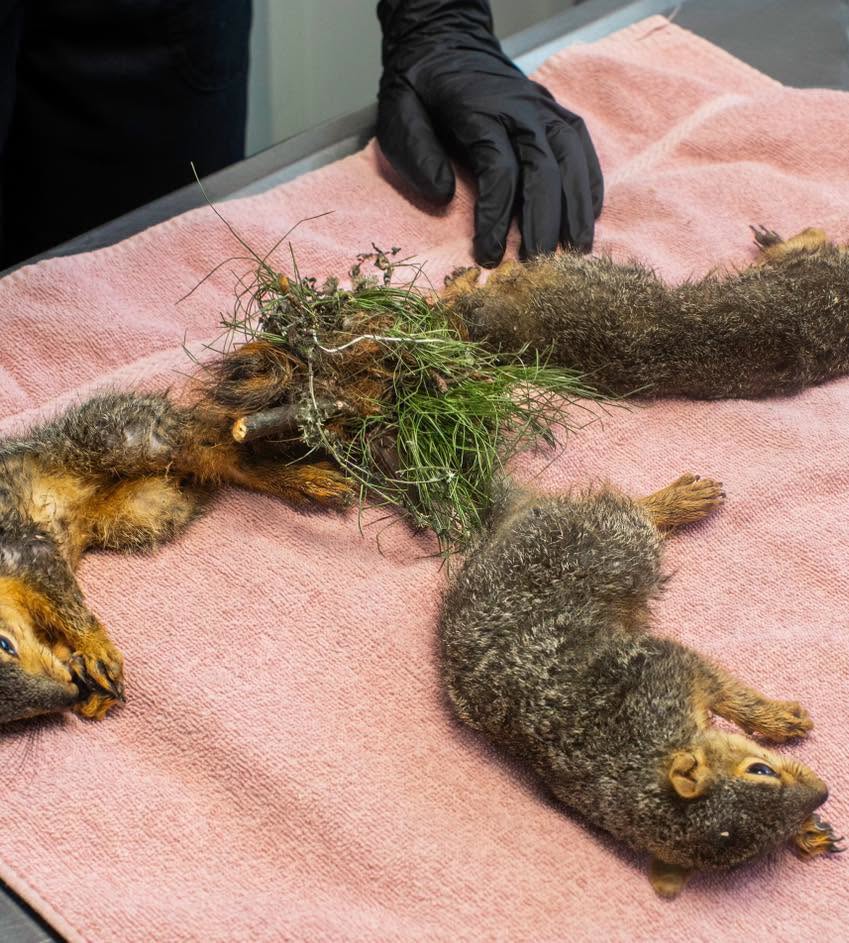
In a heartwarming yet precarious incident, an Indiana wildlife rescue performed life-saving surgery on a trio of baby squirrels whose tails were hopelessly tangled together. The event, reported on October 15, 2026, highlights the critical role of wildlife rehabilitators and the unique biology of these bushy-tailed creatures. Squirrels rely on their tails for balance, communication, temperature control, and defense—making a tangled tail a serious threat to their survival. This article delves into the meteorological and environmental factors that may have contributed to this unusual entanglement, the rescue operation, and what you can do if you encounter a similar situation.
Atmospheric Science & Meteorological Breakdown
While a tangled-tail incident might seem purely biological, weather patterns can play a significant role in such wildlife emergencies. In Indiana, October 2026 brought a mix of early cold snaps and wet conditions. Squirrels often seek warmth and shelter in communal nests, especially when temperatures drop unexpectedly. Prolonged rain or high humidity can cause natural nesting materials like leaves, twigs, and even sap to become sticky, inadvertently gluing tails together. Additionally, extreme weather events—such as the heavy thunderstorms that swept through the Midwest earlier that month—can displace young squirrels from their dreys, forcing them into cramped, makeshift shelters where entanglement becomes more likely. Understanding these meteorological triggers can help wildlife rescuers anticipate and prevent such incidents.
Regional Impact & Resident Safety Precautions
The rescue took place in a suburban area of Indiana, where human-wildlife interactions are common. Residents should be aware that baby squirrels (kits) are born in late summer and early fall, and they may venture out of the nest as early as October. If you spot a group of squirrels with tangled tails, do not attempt to separate them yourself—this can cause severe injury. Instead, contact a licensed wildlife rescue immediately. Here are key safety tips:
- Observe from a distance: Keep pets and children away to reduce stress on the animals.
- Do not feed or water: Improper food or water can harm dehydrated or injured wildlife.
- Use gloves if handling is absolutely necessary: Squirrels can bite and carry parasites.
- Provide a warm, dark, quiet box: If instructed by a rescuer, place the squirrels in a ventilated container with a soft cloth.
- Note the location: This helps rescuers return the squirrels to their home territory after treatment.
In this case, the Indiana rescue team carefully anesthetized the squirrels, untangled the tails, and treated minor wounds. All three are expected to make a full recovery and will be released back into the wild.
Interactive Radar & Tracking Advisory
While this story focuses on wildlife, weather radar can be a valuable tool for predicting when animals might be at risk. For example, Doppler radar can track heavy precipitation and temperature drops that drive squirrels into vulnerable shelters. If you’re a wildlife enthusiast or rehabilitator, consider using local radar apps to monitor storms and cold fronts. After severe weather, check your yard and nearby trees for displaced or distressed animals. If you find a baby squirrel, consult a wildlife rescue organization before intervening. Remember, the best way to help is often to let nature take its course—unless the animal is clearly injured or orphaned.
Frequently Asked Questions (FAQ)
What should I do if I find baby squirrels with tangled tails?
Do not try to untangle them yourself. Contact a licensed wildlife rehabilitator or animal control immediately. Keep the animals warm and quiet until help arrives.
Why do squirrels’ tails get tangled?
Tails can become entangled due to sticky nesting materials, overcrowding in nests, or after storms that force squirrels into tight spaces. Young squirrels are especially vulnerable.
How can I prevent this in my area?
Provide safe, clean nesting boxes and avoid using sticky pest deterrents. After storms, inspect your property for distressed wildlife and report any issues to local rescue groups.
Conclusion
This Indiana wildlife rescue story is a testament to the dedication of rehabilitators and the resilience of nature. By staying informed about weather patterns and wildlife behavior, we can all play a part in protecting these fascinating creatures. If you encounter wildlife in distress, remember to call professionals—your quick action could save a life.
Frequently Asked Meteorological Questions
Do not try to untangle them yourself. Contact a licensed wildlife rehabilitator or animal control immediately. Keep the animals warm and quiet until help arrives.
Tails can become entangled due to sticky nesting materials, overcrowding in nests, or after storms that force squirrels into tight spaces. Young squirrels are especially vulnerable.
Provide safe, clean nesting boxes and avoid using sticky pest deterrents. After storms, inspect your property for distressed wildlife and report any issues to local rescue groups.