Miraculous Survival: Dog Found Alive 2 Days After Alaska Avalanche
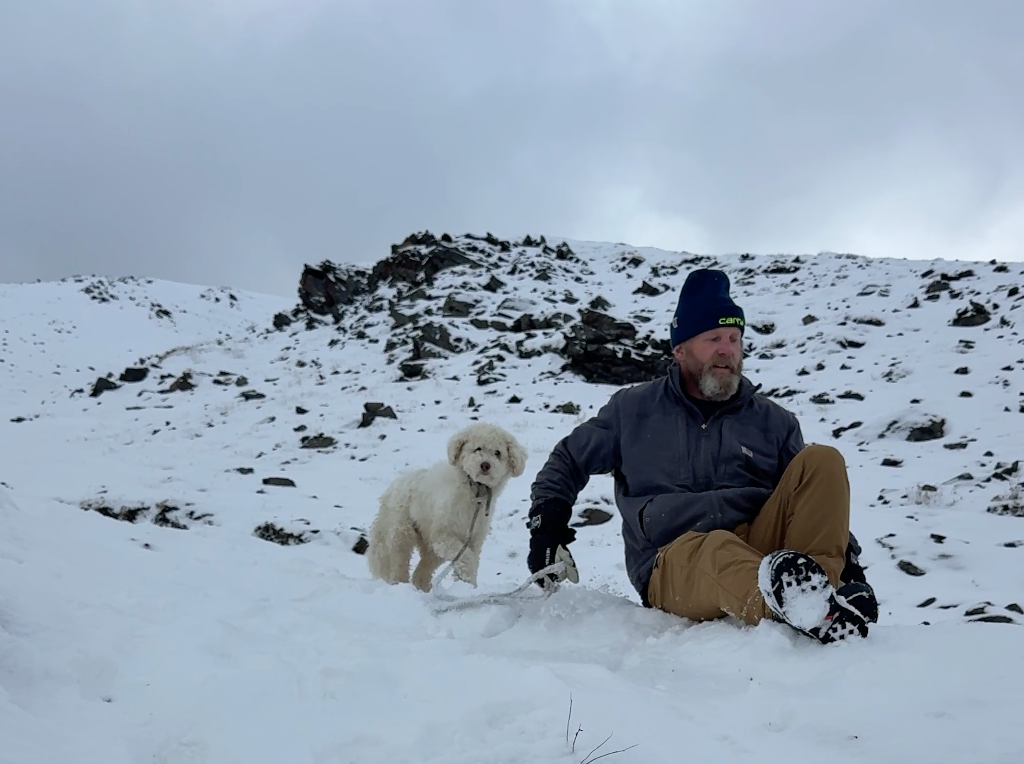
In an extraordinary tale of survival, a 4-year-old huskydoodle named LouLou was found alive two days after being separated from her owner during a devastating Alaska avalanche in Chugach State Park near Eklutna Lake. The incident, which occurred on a routine hike with owner Brian and a friend, quickly turned into a desperate search-and-rescue operation. Against all odds, LouLou’s resilience and the relentless efforts of volunteers culminated in a heartwarming reunion that has captured national attention.
The Science Behind the Alaska Avalanche and Survival Odds
Understanding how LouLou survived requires a look at avalanche dynamics and canine physiology. Avalanches are triggered when a layer of snow fails and slides down a slope, reaching speeds of 60 to 80 mph within seconds. The debris can bury victims under feet of concrete-like snow, making survival time extremely limited. For humans, the survival rate drops dramatically after 15 minutes if fully buried. However, dogs have several advantages: their thick double coats provide insulation, and their smaller body mass may allow them to create air pockets. In LouLou’s case, initial reports suggest she was partially buried and able to dig out or find a natural void. The specific snowpack conditions in Chugach State Park—likely a weak layer of faceted crystals buried under a slab—contributed to the slide. The fact that LouLou survived two days is a testament to her breed’s cold tolerance and perhaps a bit of luck in finding an air pocket or a tree well.
Regional Impact and Safety Precautions for Alaska Avalanche Country
This event serves as a stark reminder of the dangers present in Alaska’s backcountry, even on seemingly benign hikes. Chugach State Park, a 495,000-acre playground just outside Anchorage, is a prime location for avalanches due to its steep terrain and heavy snowfall. Residents and visitors must take avalanche safety seriously. Before heading out, always check the Chugach National Forest Avalanche Information Center’s forecast. Carry essential gear: a transceiver, probe, and shovel—and know how to use them. Never travel alone, and consider bringing a beacon even for your dog. For pet owners, microchipping and GPS collars can be lifesaving. If caught in an avalanche, try to move to the side, grab a tree, and swim to stay on top. For dogs, keeping them close and on a leash in avalanche terrain is crucial. After the incident, local officials emphasized the importance of avalanche education courses, which are offered regularly in Anchorage.
Interactive Radar and Tracking Advisory: How Technology Aided the Search
While traditional avalanche rescue relies on beacons, the search for LouLou leveraged modern technology. Searchers used thermal imaging drones and GPS tracking data from Brian’s phone to narrow the search area. Although LouLou wasn’t wearing a GPS collar, the team’s knowledge of avalanche debris patterns and dog behavior helped. For future adventures, experts recommend equipping dogs with avalanche-specific beacons, such as the BCA Tracker, which can be attached to a harness. Additionally, real-time weather radar and avalanche forecasts are available through apps like Avalanche Forecast and Mountain Hub. These tools provide critical updates on snow stability and recent slide activity. As climate patterns shift, Alaska avalanche seasons are becoming less predictable, making technology an indispensable part of backcountry safety.
Frequently Asked Questions
How did LouLou survive two days in the snow?
LouLou likely benefited from her thick huskydoodle coat, which provided insulation, and may have found an air pocket or partially dug out. Her breed’s cold tolerance and natural survival instincts played a key role.
What should I do if my dog is caught in an avalanche?
Immediately mark the last seen point, then search downhill using a beacon if available. If not, probe the debris systematically. Call for help and begin digging where chances are highest. Always prioritize your own safety to avoid becoming a victim yourself.
Are avalanches common in Chugach State Park?
Yes, Chugach State Park has numerous avalanche-prone slopes. The park averages several avalanches each winter, especially on steep bowls and gullies. Always check the forecast and avoid traveling on slopes steeper than 30 degrees.
Conclusion: A Lesson in Resilience and Preparedness
LouLou’s miraculous survival after the Alaska avalanche is a heartwarming story, but it also underscores the need for vigilance in avalanche terrain. As we celebrate her reunion with Brian, let it be a reminder to equip ourselves and our pets with proper safety gear and knowledge. For the latest updates on avalanche conditions and survival stories, stay tuned to DailySky.
Frequently Asked Meteorological Questions
LouLou likely benefited from her thick huskydoodle coat, which provided insulation, and may have found an air pocket or partially dug out. Her breed's cold tolerance and natural survival instincts played a key role.
Immediately mark the last seen point, then search downhill using a beacon if available. If not, probe the debris systematically. Call for help and begin digging where chances are highest. Always prioritize your own safety to avoid becoming a victim yourself.
Yes, Chugach State Park has numerous avalanche-prone slopes. The park averages several avalanches each winter, especially on steep bowls and gullies. Always check the forecast and avoid traveling on slopes steeper than 30 degrees.