Your 2027 Travel Weather Guide: 10 Must-Visit Destinations for the Ultimate Bucket List
As the world looks ahead to 2027, travel enthusiasts are already compiling their bucket lists, and a new global survey has revealed 10 must-visit destinations spanning the U.S., Europe, Asia, Mexico, South America, Canada, and Australia. But before you book those flights, understanding the weather patterns at each location is crucial for a safe and enjoyable trip. This 2027 travel weather guide breaks down the climate expectations, potential hazards, and optimal timing for each destination, ensuring your adventure is both memorable and meteorologically sound.
From the tropical storms of the Caribbean to the wildfire seasons of the American West, weather can make or break a vacation. Our team of meteorologists has analyzed historical data and long-range climate projections to provide you with actionable insights. Whether you’re chasing the Northern Lights in Canada or exploring the ancient ruins of Mexico, this guide will help you pack smart and stay safe.
Why a 2027 Travel Weather Guide Matters More Than Ever
Climate change is reshaping travel seasons worldwide. According to the National Oceanic and Atmospheric Administration (NOAA), global temperatures are rising, leading to more frequent extreme weather events. A 2027 travel weather guide is no longer a luxury—it’s a necessity. For instance, Europe is experiencing hotter summers, making spring or fall visits more comfortable. Meanwhile, hurricane seasons in the Atlantic and Pacific are becoming longer and more intense, affecting destinations in Mexico, the Caribbean, and the U.S. Gulf Coast.
In this guide, we’ll cover the 10 destinations on the 2027 bucket list, focusing on their typical weather patterns, the best times to visit, and any weather-related risks. We’ll also provide regional impact and safety precautions, ensuring you’re prepared for whatever Mother Nature throws your way.
The 10 Must-Visit Destinations and Their Weather Profiles
1. Banff National Park, Canada
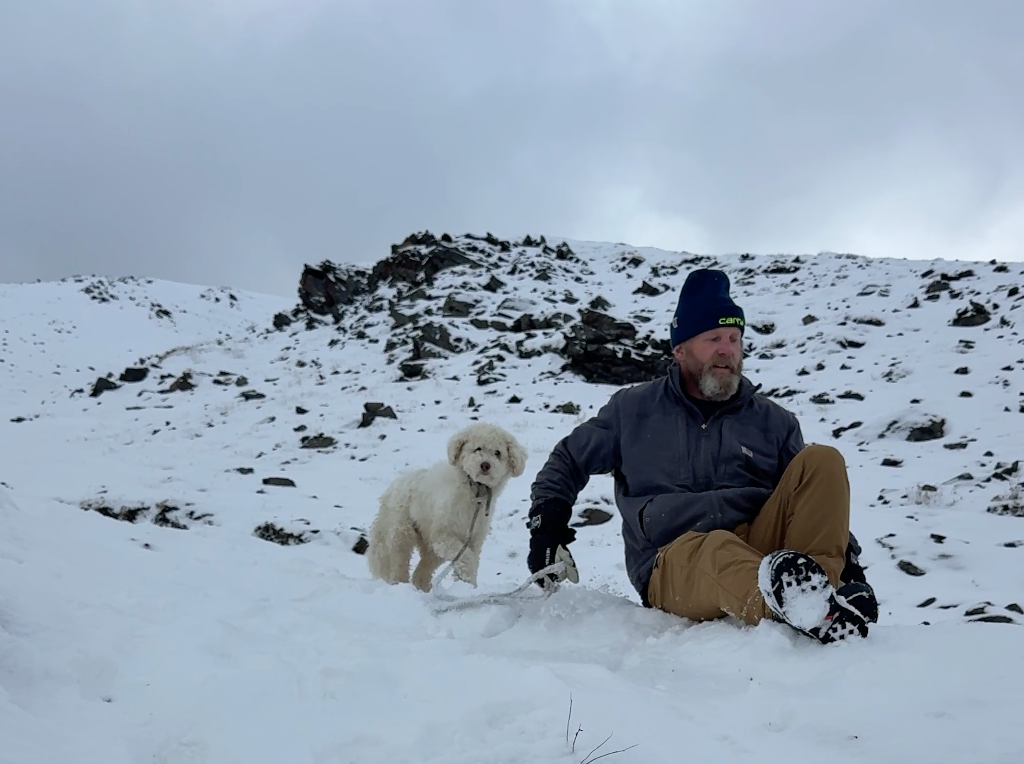
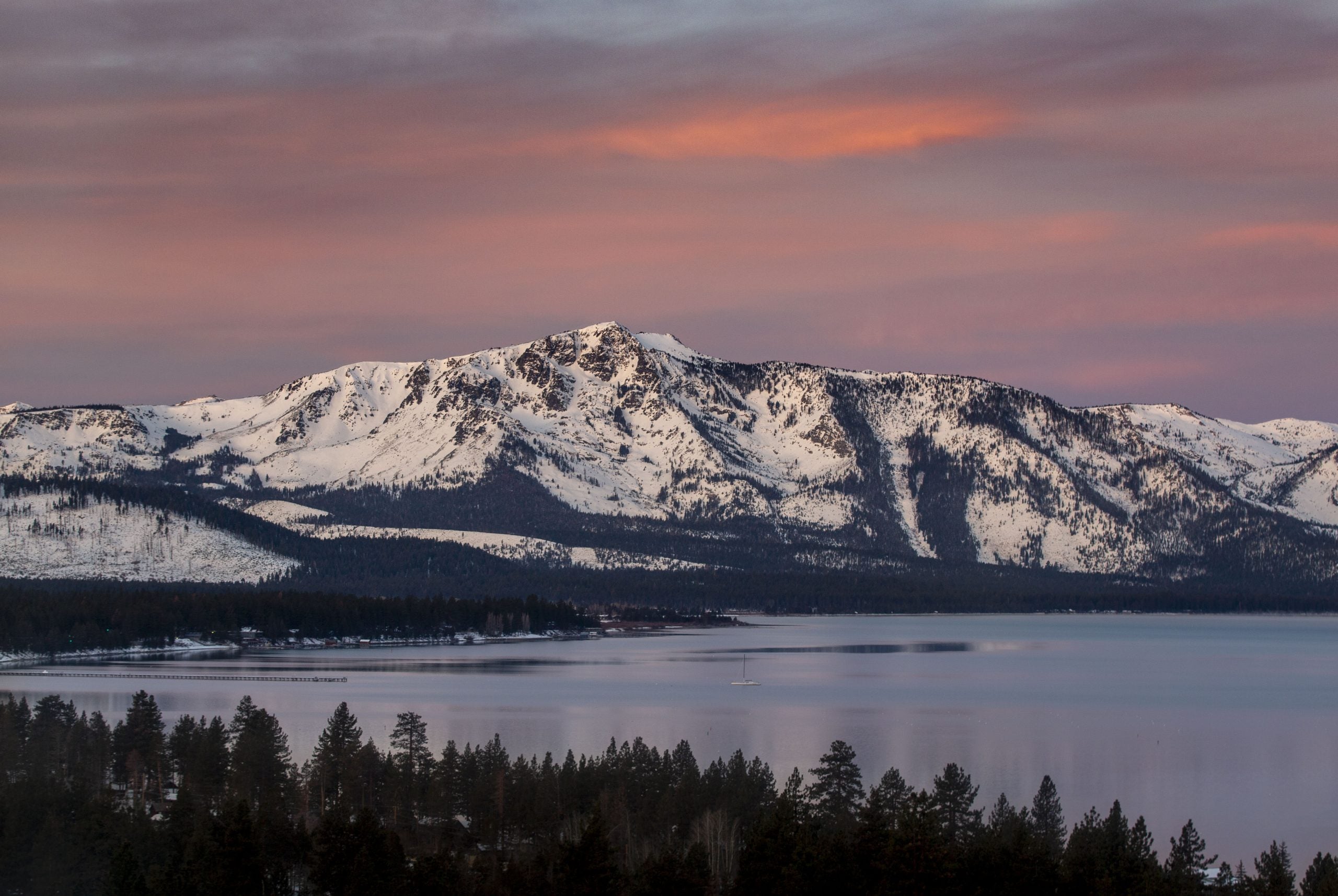
Banff offers stunning mountain scenery, but its weather is highly variable. Summers (June–August) are mild, with highs around 70°F (21°C), perfect for hiking. Winters (December–February) bring heavy snow and temperatures often below 10°F (-12°C), ideal for skiing but requiring extreme cold preparedness. Watch for sudden snowstorms in higher elevations, even in summer.
2. Kyoto, Japan
Kyoto’s cherry blossom season (late March–early April) is iconic but crowded. Summers are hot and humid, with temperatures reaching 95°F (35°C) and high humidity. Typhoon season peaks from August to September, so monitor forecasts closely. Autumn (October–November) offers crisp, pleasant weather and stunning foliage.
3. Amalfi Coast, Italy
The Amalfi Coast enjoys a Mediterranean climate with hot, dry summers (80s°F/27-32°C) and mild, wet winters. The best time to visit is May–June or September–October, avoiding the summer crowds and heat. However, autumn can bring heavy rainfall and occasional flash floods, so check local alerts.
4. Oaxaca, Mexico
Oaxaca’s dry season (November–April) is ideal for exploring its colonial architecture and cuisine. Temperatures range from 70s°F (21-26°C) during the day to cooler nights. The rainy season (May–October) brings afternoon downpours and the risk of hurricanes, particularly from August to October. Stay informed with our hurricane tracking tools.
5. Patagonia, Argentina and Chile
Patagonia’s weather is notoriously unpredictable. Summer (December–February) offers milder temperatures (50s-60s°F/10-15°C) but strong winds. Winter (June–August) is cold, with snow in higher elevations. Always pack layers and be prepared for rapid changes, even within a single day.
6. Great Barrier Reef, Australia
The reef is best visited during the dry season (June–October), with warm temperatures (70s-80s°F/21-29°C) and low rainfall. The wet season (November–May) brings higher humidity, stinger jellyfish, and the risk of cyclones. Check marine forecasts and stinger net locations before swimming.
7. Reykjavik, Iceland
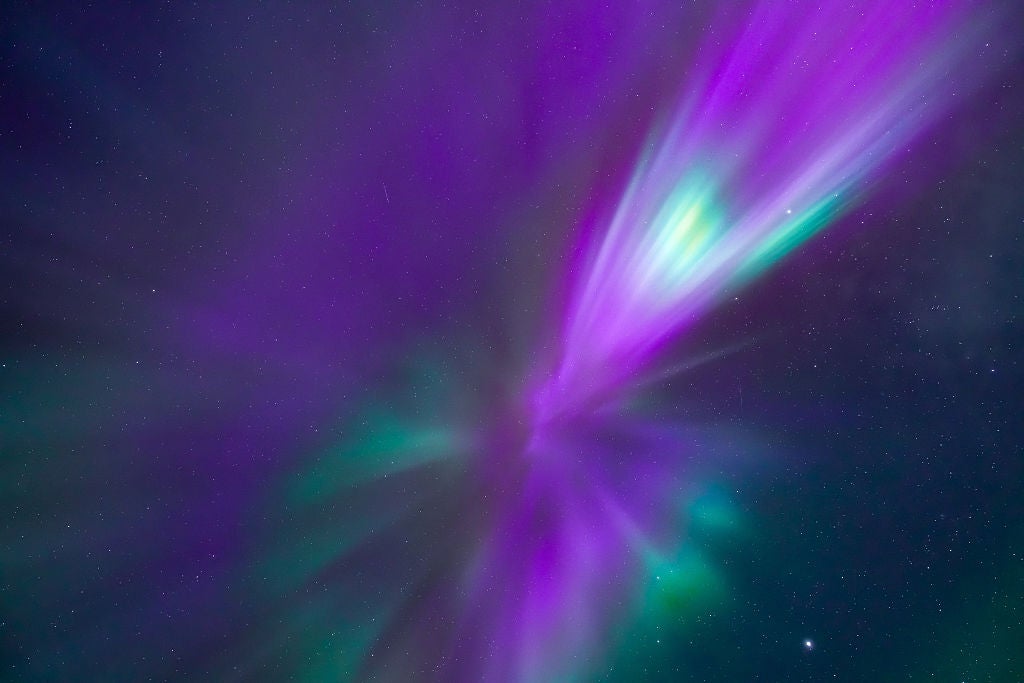
Iceland’s weather is volatile year-round. Summers (June–August) are mild (50s°F/10-15°C) with long daylight hours, perfect for exploring glaciers and waterfalls. Winters (November–March) are cold and dark, but offer the Northern Lights. Wind and rain are common, so waterproof gear is essential.
8. Marrakech, Morocco
Marrakech has a semi-arid climate with hot summers (over 100°F/38°C) and mild winters (70s°F/21-26°C). Spring (March–May) and autumn (September–November) are the best times to visit. Be aware of occasional sandstorms and extreme heat warnings in summer.
9. New York City, USA
NYC experiences all four seasons. Summers are hot and humid (80s°F/27-32°C), winters are cold and snowy (30s°F/0-4°C). Spring and fall are pleasant but can be rainy. The city is vulnerable to hurricanes and nor’easters, especially from August to October. Our US Weather Radar can help you track storms.
10. Maui, Hawaii, USA
Maui’s tropical climate means warm temperatures year-round (75-85°F/24-29°C). The dry season (April–October) is ideal for beaches and hiking, while the wet season (November–March) brings more rain, especially on the windward side. Hurricane season runs from June to November, so monitor Pacific storm tracks.
Regional Impact and Resident Safety Precautions
Each destination faces unique weather risks. In the U.S., both New York City and Maui are susceptible to hurricanes, with Maui also facing potential wildfires during dry periods. Canadian destinations like Banff can experience extreme cold and avalanches. In Europe, the Amalfi Coast and Iceland contend with heavy rain and wind, while Japan and Mexico face typhoons and hurricanes, respectively. Australia’s Great Barrier Reef is vulnerable to cyclones, and Patagonia’s winds can disrupt travel plans.
Residents and travelers should always have a safety plan. This includes monitoring local weather alerts, knowing evacuation routes, and packing appropriate gear. For example, in hurricane-prone areas, keep a go-bag ready and stay tuned to reliable sources like DailySky for updates. In cold climates, dress in layers and watch for signs of hypothermia. In hot regions, stay hydrated and avoid peak sun hours.
Interactive Radar and Tracking Advisory
To stay ahead of the weather, use our interactive radar tools. Whether you’re tracking a developing hurricane in the Atlantic or a snowstorm in Canada, real-time radar can help you make informed decisions. For U.S. destinations like New York and Maui, our US Weather Radar provides up-to-the-minute precipitation and storm tracking. International travelers can access global satellite imagery and forecasts to monitor conditions abroad.
Before you travel, bookmark our weather radar page and set up alerts for your destination. During your trip, check forecasts daily, especially if you’re engaging in outdoor activities. Remember, weather can change rapidly, so flexibility is key.
FAQ: Your 2027 Travel Weather Questions Answered
What is the best time to visit the Amalfi Coast to avoid rain?
The best time is late spring (May–June) or early autumn (September–October), when rainfall is lower and temperatures are pleasant. Summer is dry but crowded and hot.
How can I track hurricanes affecting Mexico and the U.S.?
Use our US Weather Radar for U.S. storms and global tracking tools for Mexico. The National Hurricane Center also provides official forecasts. Stay updated with DailySky for real-time alerts.
Is it safe to visit Patagonia in winter?
Winter travel is possible but requires preparation for cold and snow. Many trails and roads may be closed. Always check local conditions and travel with a guide if unfamiliar with the terrain.
What should I pack for a trip to Iceland in 2027?
Pack waterproof and windproof clothing, sturdy hiking boots, layers, and a warm hat and gloves. Weather can change quickly, so be prepared for rain, wind, and cold temperatures even in summer.
Are there any weather-related travel advisories for the Great Barrier Reef?
During the wet season (November–May), stinger jellyfish and cyclones are concerns. Check marine advisories and swim in stinger nets. The dry season (June–October) is generally safer for water activities.
By incorporating this 2027 travel weather guide into your planning, you’ll be well-equipped to handle whatever weather comes your way. Safe travels!
Frequently Asked Meteorological Questions
The best time is late spring (May–June) or early autumn (September–October), when rainfall is lower and temperatures are pleasant. Summer is dry but crowded and hot.
Use our US Weather Radar for U.S. storms and global tracking tools for Mexico. The National Hurricane Center also provides official forecasts. Stay updated with DailySky for real-time alerts.
Winter travel is possible but requires preparation for cold and snow. Many trails and roads may be closed. Always check local conditions and travel with a guide if unfamiliar with the terrain.
Pack waterproof and windproof clothing, sturdy hiking boots, layers, and a warm hat and gloves. Weather can change quickly, so be prepared for rain, wind, and cold temperatures even in summer.
During the wet season (November–May), stinger jellyfish and cyclones are concerns. Check marine advisories and swim in stinger nets. The dry season (June–October) is generally safer for water activities.