Mysterious Space Waves Unlock New Frontier in Solar Storm Forecast
In a breakthrough that could revolutionize how we prepare for dangerous space weather, scientists have identified mysterious ‘space waves’ that may significantly enhance the solar storm forecast. According to research published on October 16, 2026, these enigmatic fluctuations in the solar wind could reveal precisely where energy from the Sun enters Earth’s magnetic environment, leading to more accurate predictions of geomagnetic disturbances. For a world increasingly dependent on satellite technology, power grids, and communication systems, this advancement promises a vital new tool in mitigating the impacts of severe solar storms.
Atmospheric Science: How Space Waves Shape Solar Storm Forecast
At the heart of this discovery lies the complex interaction between the solar wind—a continuous stream of charged particles from the Sun—and Earth’s magnetosphere. Researchers have long known that solar storms can compress the magnetosphere, triggering geomagnetic storms that disrupt technology. However, predicting exactly when and where the solar wind’s energy will penetrate has remained a challenge. The newly identified ‘space waves’ appear to act as conduits, guiding energy into the magnetosphere much like atmospheric rivers channel moisture on Earth.
These waves, observed as oscillations in plasma density and magnetic fields, travel along the boundary where the solar wind meets Earth’s magnetic field. By tracking their propagation, scientists can pinpoint regions where energy transfer is most intense. “These waves are like fingerprints left by the solar wind, telling us where the door is open for energy to enter,” explained Dr. Elena Vasquez, lead author of the study. Integrating this data into space weather models could extend lead times for solar storm forecast from hours to days, providing critical preparation time for vulnerable infrastructure.
Regional Impact and Safety Precautions for Residents
While solar storms are global phenomena, their effects can vary regionally. High-latitude areas, such as Canada, Scandinavia, and the northern United States, are more susceptible to geomagnetic disturbances due to the shape of Earth’s magnetic field. In these regions, a severe solar storm could induce currents in power lines, causing transformer damage and widespread blackouts. Additionally, astronauts aboard the International Space Station face increased radiation risks, and airline passengers on polar routes may experience communication disruptions.
Residents in affected areas should stay informed through official channels like NOAA’s Space Weather Prediction Center. During a severe storm warning, consider the following precautions:
- Power Backup: Ensure essential devices are charged and have backup power sources ready.
- Communication Plan: Establish alternative communication methods in case of network outages.
- Protect Electronics: Unplug sensitive electronics to prevent damage from power surges.
- Stay Informed: Follow updates from reliable sources and heed local authorities’ advice.
Interactive Radar and Tracking Advisory: Monitoring Solar Storm Forecast
To harness the power of space waves for solar storm forecast, scientists rely on a suite of space-based observatories and ground-based radar systems. Missions like NASA’s Parker Solar Probe and ESA’s Solar Orbiter provide real-time data on solar wind conditions, while networks like SuperDARN (Super Dual Auroral Radar Network) track ionospheric disturbances. These tools collectively create a dynamic picture of the space environment, allowing forecasters to issue timely alerts.
For the public, accessible tools such as NOAA’s aurora forecast maps and space weather dashboards offer visual representations of incoming storms. By monitoring these resources, individuals can anticipate potential disruptions and take proactive measures. As the technology evolves, the integration of space wave data into these platforms will enhance the precision of forecasts, turning a once-unpredictable threat into a manageable risk.
Frequently Asked Questions About Solar Storm Forecast
What exactly are ‘space waves’ and how do they improve solar storm forecast?
Space waves are oscillations in the solar wind’s plasma and magnetic fields that travel along the magnetopause—the boundary of Earth’s magnetic environment. They indicate where solar wind energy is most likely to penetrate, allowing scientists to refine models and extend forecast lead times.
How can I protect my home during a severe solar storm?
During a severe solar storm, unplug sensitive electronics, keep backup power sources ready, and stay tuned to official space weather alerts. High-latitude residents should be especially vigilant for potential power grid disruptions.
Will these findings lead to more accurate aurora predictions?
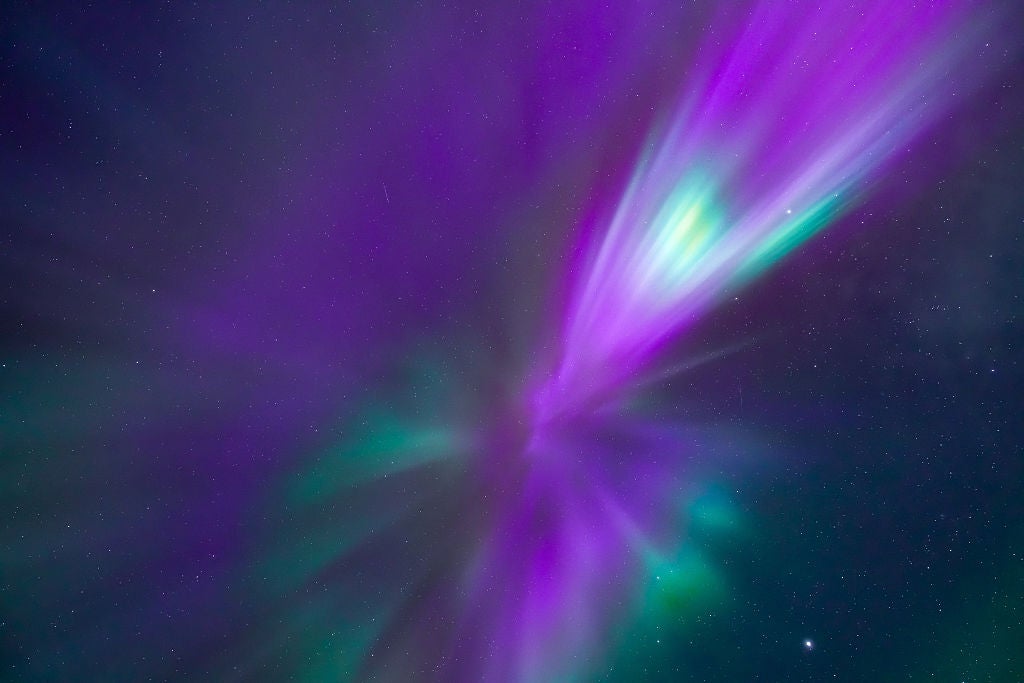
Yes. By pinpointing energy entry points, space wave data can improve predictions of auroral activity, helping skywatchers know when and where to see the Northern or Southern Lights.
Frequently Asked Meteorological Questions
Space waves are oscillations in the solar wind's plasma and magnetic fields that travel along the magnetopause—the boundary of Earth's magnetic environment. They indicate where solar wind energy is most likely to penetrate, allowing scientists to refine models and extend forecast lead times.
During a severe solar storm, unplug sensitive electronics, keep backup power sources ready, and stay tuned to official space weather alerts. High-latitude residents should be especially vigilant for potential power grid disruptions.
Yes. By pinpointing energy entry points, space wave data can improve predictions of auroral activity, helping skywatchers know when and where to see the Northern or Southern Lights.