Ancient Shipwreck Discovery in Türkiye: A 4,700-Year-Old Maritime Mystery
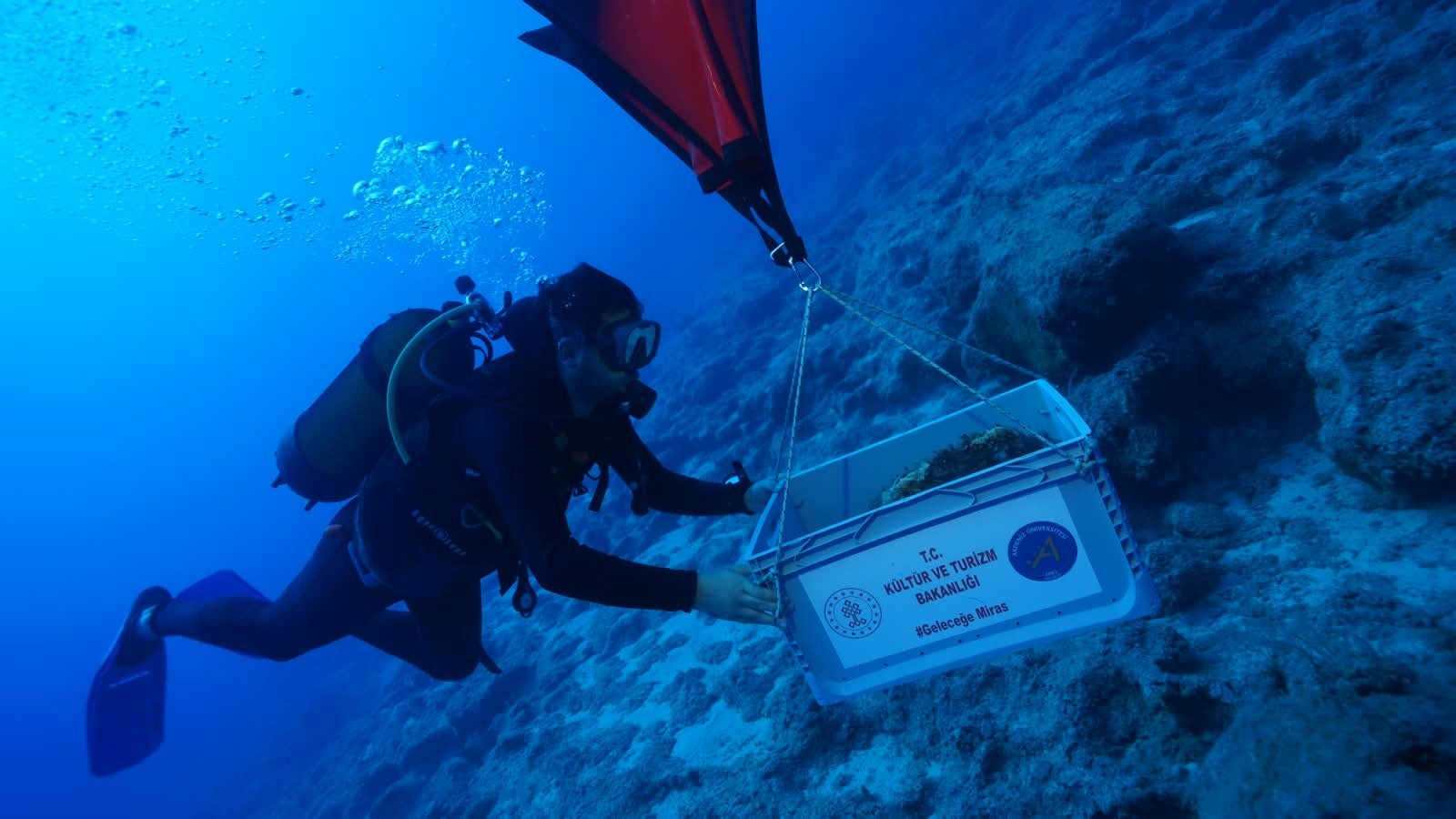
In a groundbreaking ancient shipwreck discovery, archaeologists in Türkiye have unearthed what may be the world’s oldest known shipwreck, dating back approximately 4,700 years. Although the wooden hull has long deteriorated, the site yielded a treasure trove of ancient ceramic storage jars that provide compelling evidence of early maritime trade. This remarkable find off the coast of Türkiye sheds new light on the sophistication of Bronze Age seafaring and commerce.
Atmospheric Science & Meteorological Breakdown: How Weather Shaped the Find
The preservation of this ancient shipwreck discovery is intimately tied to the region’s unique meteorological and oceanographic conditions. The Aegean Sea, where the wreck was found, experiences a Mediterranean climate characterized by hot, dry summers and mild, wet winters. Prevailing northerly winds, known as the Etesian winds, have historically influenced sea currents and sedimentation patterns. These currents likely buried the wreck in oxygen-poor sediments, slowing deterioration and preserving the ceramic jars. Additionally, storm events and coastal erosion may have periodically exposed and re-covered the site, contributing to its discovery. Understanding these atmospheric and oceanic processes is crucial for interpreting how ancient mariners navigated these waters and why this shipwreck remained hidden for millennia.
Regional Impact & Resident Safety Precautions
The ancient shipwreck discovery has significant implications for the local region and beyond. Coastal communities near the excavation site may experience increased tourism and archaeological activity, boosting the local economy. However, residents and visitors should be aware of potential safety precautions:
- Respect archaeological zones: Unauthorized diving or artifact collection is illegal and can damage the site.
- Stay informed about weather: The Aegean can experience sudden storms; always check marine forecasts before boating.
- Support preservation efforts: Report any suspicious activity to local authorities to protect this invaluable heritage.
Local authorities are working to balance tourism with conservation, ensuring the site remains protected for future research.
Interactive Radar & Tracking Advisory: Monitoring the Aegean’s Weather
For those interested in following the excavation or planning a visit, staying updated on weather conditions is essential. The ancient shipwreck discovery site is subject to rapid weather changes. Utilize interactive radar tools to track storms, wind patterns, and sea states in the Aegean region. The Turkish State Meteorological Service provides real-time radar and forecasts. Mariners and researchers should monitor Doppler radar for precipitation and wind shifts, especially during the transition seasons when the Etesian winds can intensify. This advisory ensures safety and aids in planning dives or surveys around the ancient shipwreck discovery.
Frequently Asked Questions
What makes this ancient shipwreck discovery so significant?
It is potentially the world’s oldest known shipwreck, dating to around 4,700 years ago, offering rare insights into Bronze Age maritime trade and seafaring technology.
How did archaeologists date the shipwreck?
They used radiocarbon dating on the ceramic jars and associated organic materials, along with stratigraphic analysis of the site.
Can the public visit the ancient shipwreck discovery site?
Currently, the site is restricted to authorized archaeologists. However, some artifacts may be displayed in local museums in the future.
Frequently Asked Meteorological Questions
It is potentially the world's oldest known shipwreck, dating to around 4,700 years ago, offering rare insights into Bronze Age maritime trade and seafaring technology.
They used radiocarbon dating on the ceramic jars and associated organic materials, along with stratigraphic analysis of the site.
Currently, the site is restricted to authorized archaeologists. However, some artifacts may be displayed in local museums in the future.